


The Great Winter Squash Rundown
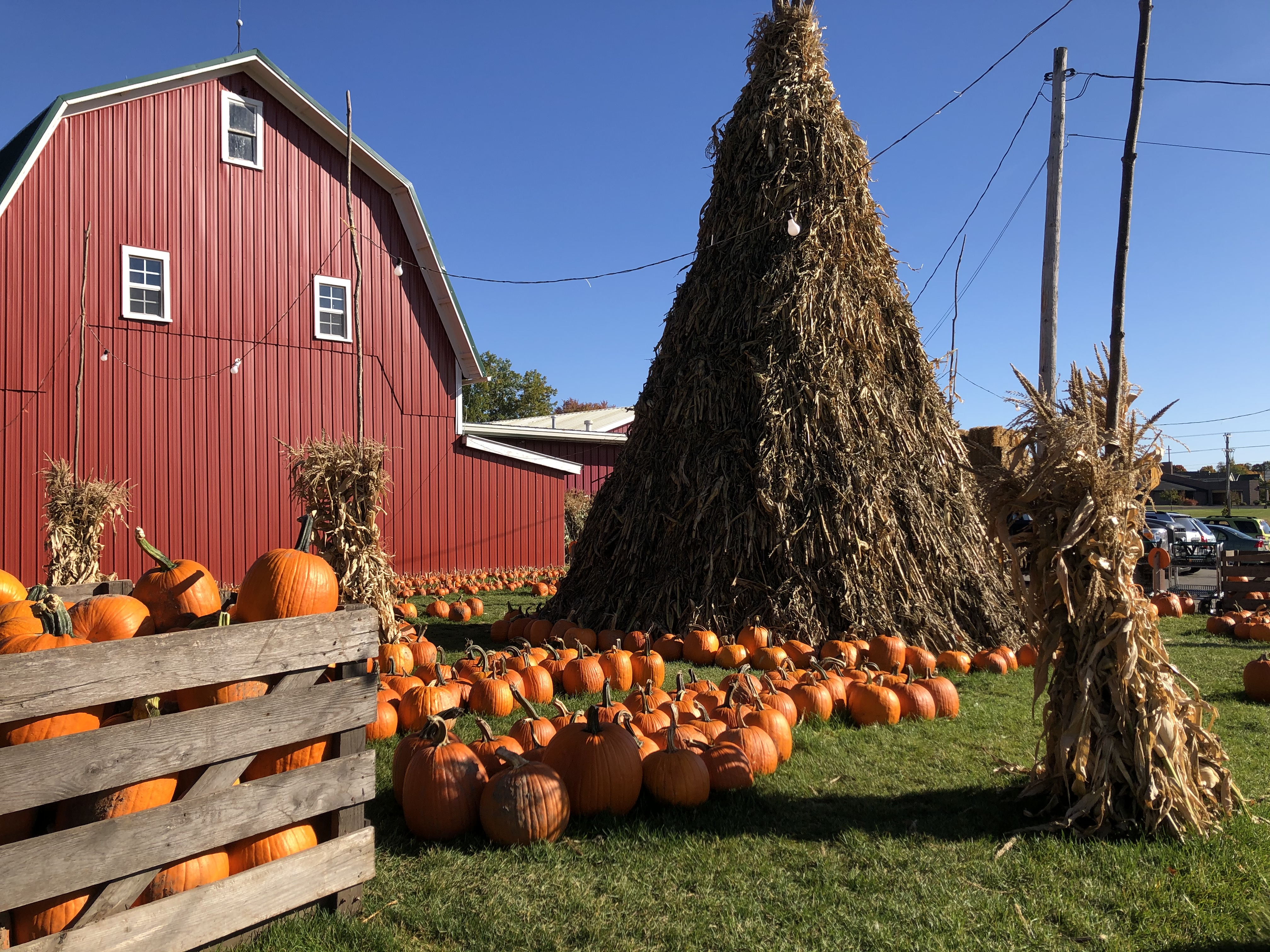
On the farm, we grow quite a few varieties of winter squash. Our most common varieties include butternut, acorn, spaghetti, delicata, honeynut, buttercup, and autumn frost. As the days grow shorter, and the nights grow colder, a nice winter squash cooked up in the oven can be just the right thing to add to a meal.

Some are perfect for roasting, some make a great substitute for pasta, and others are delicious simply sliced, seasoned, and baked. If you’ve ever stood in front of a pile of winter squash wondering which one to pick, I’m breaking down some of our favorite varieties, what makes each one unique, and a few simple tips to make prepping and picking winter squash a little easier. For now, we’ll be starting with the most basic preparation styles, but there are MANY great recipes out there. Got a good recipe? Feel free to share! We’d love to try something new!
Let us begin with the iconic butternut squash. The flavor notes of a butternut are described as sweet and nutty with a slight earthy taste. I love this one for cubing and roasting. It is also the most common one to make soup with. It is a great option for a crowd- some of our butternut squash grow quite large. It is also my favorite for prepping and freezing for later.

For this squash, rather than trying to peel the whole thing, I like to cut it into circular cross-sections and use my knife to pare off the skin of each circle down the neck of the squash all the way to the seeded portion. Split that in half, scoop the seeds, then continue cutting into half-circles and paring each. Many websites suggest peeling the butternut whole, but to me, that seems like a much bigger struggle than working with small portions. From here, you’re ready to cube up your squash, toss it in some oil with some salt and pepper (brown sugar or maple syrup if you like a little added sweetness), and roast. Perfection!

In prepping for this post, I had a lot of squash to work with, so instead of cooking this one right away, I bagged it to stick in the freezer. This is a great squash for freezing, and I look forward to eating it later this winter after the farm has closed for the season.
Next up on our winter squash tour is spaghetti squash! If you’re looking to cut your calories and carbs by cutting out the pasta, spaghetti squash is a neat little squash for the job. The flavor is described as mild, and slightly sweet. It will take on the flavor of the sauces you add to it well. Some of our spaghetti squash is brighter yellow, some are a paler yellow. Either is fine! A lot of it comes down to spaghetti squash variety and sun exposure. Just make sure it feels firm all around and pick the one that seems the right size portion for you. Now for my favorite spaghetti squash tip- cut it horizontally into a circular cross-section (along the squash’s imagined equator, if you will). Not only is this cut much easier than cutting it up and down like I used to do, but cutting it horizontally will give you longer squash “noodles” because you are cutting in the same direction of the fibers of the squash.

Cut off the stem. Scrape out the seeds from the center, brush the inside with a small amount of oil and stick in a pan flat side down. I recommend waiting to salt until after cooking to prevent it from getting watery. At 350 degrees, it will take about 40 minutes to cook. In a pinch, on busy weeknights, I have also stuck it in the microwave in a small glass casserole dish filled with a bit of water on the bottom of the pan. When soft, scrape out those wonderful squash noodles with a fork and season and sauce as you see fit.

Now onward to our soft-skinned squash. My next lineup of squash to discuss is actually three types- autumn frost, buttercup, and delicata.

I lump these three together for a very important, shared feature- you can eat the skin on all these squash. Peeling and paring is not required! I like to cut each of these lengthwise, scoop the seeds, and cut them into thin wedges (around ¼” to ½”). Toss them in oil, salt and pepper to taste, and lay it on a parchment lined baking sheet to roast.

In flavor, I find the autumn frost squash very similar to a butternut. In fact, I myself only just recently became aware I could eat the skin on this one, so I used to prep and cube this one just like a butternut. This is a great way to eat it too.
I would describe buttercup squash as being much creamier than the rest. It is mildly sweet and earthy. When prepping, you may have to rub or scrub off a few odd bumps and scratches. You don’t have to peel the whole thing, but the skin requires the most prep work of the three here. Peel or scrape any of the major lumps or scrapes on the skin until it’s all smooth and green before slicing this squash into wedges or cubes to roast.
Delicata is simply wonderful- the flavor profile is sweet and creamy. I don’t know how to properly describe it except to say that after I’ve cooked a whole pan of it in those “c”-shaped slices, my family can eat these up like french fries. As far as shelf-life goes, I do not recommend delicata for long-term storage over the winter. These are much better enjoyed fresh. Save the storage for the butternut and the acorns.

In the spirit of trying something new for this post, I decided to cut my pieces thicker than normal, cubed it and roasted them in a triple-squash medley. It did not disappoint.
The last two squash to share are the ones I would categorize as the “cut in half, then roast” type. At their most basic, honeynut and acorn squash can be very simple to make. Cut their stems off, cut them in half from top to bottom, scoop the seeds, lightly oil, place some butter, brown sugar, or maple syrup into the hollowed out section for some extra sweetness and salt and pepper to taste. Most will roast at 425 degrees for about 30-40 minutes depending on their size.

Honeynut are a wonderfully sweet squash all on their own. I don’t always add brown sugar to these, but I do tend to have a bit of a sweet tooth. They make a wonderful sharing size where a typical honey nut will feed both me and my husband- each taking a half and just scooping and eating the squash right out of its shell. If you prefer, you can also scoop out the insides and mash or puree before serving.

For acorn squash, I find a little maple or brown sugar really enhances the flavor. I kept my preparation method simple here, but there are also a lot of interesting recipes out there for stuffed squash that feature the humble acorn squash. While it is technically true that you can eat the skin of an acorn squash, I don’t find it to be quite as tender as the other three, and therefore I did not include this one in with the delicata, autumn frost and buttercup above.
As always, I can’t mention winter squash without recommending roasted squash seeds! Roast them just like you would pumpkin seeds. They make such a delicious snack! You can save the seeds from any of our squash for roasted seeds. I will note that because of the creamy texture of the buttercup squash, these seeds tend to be the hardest to harvest and roast but if you’re willing to put in the extra effort, they are all good.


Comments